The Complete Guide to Spaying or Neutering Your Kitten
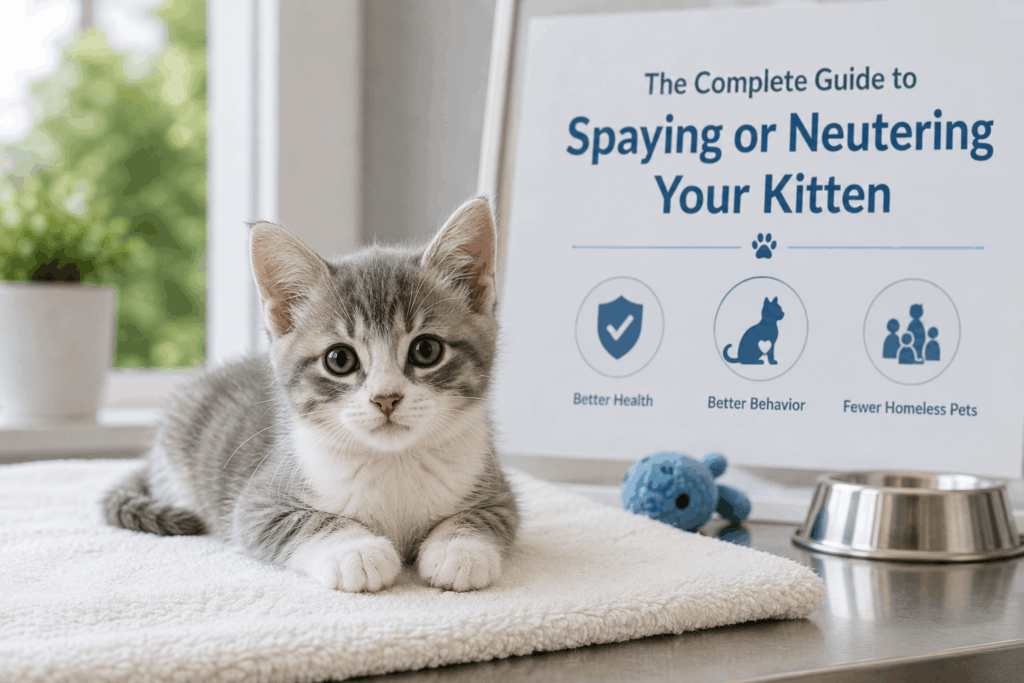
Few things are as exciting as bringing home a new kitten. Whether they were adopted from a local rescue, found as a stray, or welcomed from a breeder, kittens have a way of quickly becoming the center of the family. Their playful personalities, endless curiosity, and tiny bursts of energy make every day entertaining—but they also come with important healthcare decisions that will help shape their future.
One of the biggest decisions you'll make during your kitten's first year is determining the right time for spay or neuter surgery.
It's a topic that often raises questions for new cat owners.
Should I wait until my kitten is older?
Is six months always the right age?
Do indoor cats really need to be spayed or neutered?
If you've searched online, you've probably found conflicting advice. Some articles recommend scheduling surgery as early as possible, while others suggest waiting longer. Friends, family members, and even social media can offer completely different opinions, making it difficult to know what information to trust.
The reality is that every kitten is unique.
At Family Pet Medical Center, we believe that every recommendation should be based on the individual patient—not a one-size-fits-all timeline. During your kitten's wellness visits, our veterinarians monitor their growth, discuss their development, and help you determine the best time for surgery based on their age, health, and individual needs.
Our goal is simple: to help your kitten grow into a healthy, happy adult cat while giving you the knowledge and confidence to make informed decisions along the way.
Why Spaying and Neutering Is an Important Part of Preventative Care
Many people think of spaying and neutering simply as a way to prevent unwanted litters.
While that's certainly an important benefit, these procedures also play a significant role in your kitten's long-term health.
Depending on your cat's age and individual circumstances, spaying or neutering may reduce the risk of several reproductive diseases and can help prevent medical emergencies later in life.
For Female Cats
Spaying eliminates the possibility of developing pyometra—a serious infection of the uterus that requires emergency surgery if left untreated. It may also reduce the risk of mammary tumors, particularly when performed before repeated heat cycles.
For Male Cats
Neutering eliminates the risk of testicular cancer and may reduce the likelihood of certain hormone-related behaviors, such as roaming or urine spraying.
Just as importantly, spaying and neutering help reduce the number of unwanted litters entering shelters and rescues each year.
For many families, these procedures represent one of the earliest investments they can make in their kitten's lifelong health.
Indoor Cats Need Veterinary Care Too
One of the most common misconceptions we hear is:
"My cat never goes outside, so I don't need to worry about spaying or neutering."
While indoor cats are generally protected from many outdoor risks, they still benefit from these procedures.
Cats are incredibly curious animals.
An open front door, a torn window screen, or a moment of distraction can be all it takes for an indoor cat to slip outside unexpectedly.
If your cat isn't spayed or neutered, even a brief escape could result in an unplanned pregnancy.
Beyond reproduction, however, the medical benefits remain important regardless of whether your cat lives indoors or outdoors.
Spaying and neutering aren't just about preventing kittens—they're about protecting your own kitten's long-term health and well-being.
Is the Timing Different for Male and Female Kittens?
Although male and female cats undergo different procedures, the timing recommendations are often similar.
That said, every patient should still be evaluated individually.
Female kittens experience heat cycles once they reach sexual maturity, and these cycles can begin earlier than many owners expect.
If you've never experienced a cat in heat before, it can be surprising.
Rather than bleeding as dogs do, female cats often become much more vocal, restless, and affectionate. Some cats repeatedly roll on the floor, attempt to escape outdoors, or vocalize loudly throughout the day—and night.
These behaviors are completely normal, but they can be stressful for both cats and their owners.
Male cats, on the other hand, may begin displaying hormone-driven behaviors as they mature, including urine spraying or attempts to roam in search of a mate.
By discussing your kitten's development during routine wellness visits, your veterinarian can recommend the timing that best supports their health while helping minimize these challenges.
What Happens During Your Kitten's Wellness Visits?
Many owners assume that routine kitten appointments are only for vaccinations.
In reality, these visits serve a much bigger purpose.
Each appointment allows your veterinarian to monitor your kitten's growth, evaluate their overall health, answer questions, and begin planning for future preventative care—including spay or neuter surgery.
During these visits, your veterinarian may discuss:
- Growth and body condition
- Nutrition
- Parasite prevention
- Vaccination schedule
- Dental development
- Behavior
- Lifestyle
- Future surgical planning
These conversations help ensure there are no surprises later and allow your family to prepare well in advance.
For many first-time cat owners, these appointments are also an opportunity to ask questions they may have been wondering about for weeks.
No question is too small.
Helping owners understand their kitten's healthcare is one of the most important parts of what we do.
Common Misconceptions About Kitten Surgery
Unfortunately, there are many myths surrounding spaying and neutering.
Some owners worry that surgery will completely change their cat's personality.
Others believe female cats should have one litter first.
Still others assume their indoor kitten doesn't need the procedure at all.
These misconceptions have circulated for years, but modern veterinary medicine allows us to make recommendations based on current medical knowledge rather than outdated beliefs.
Your kitten will still be the same playful, affectionate companion after surgery.
They'll still chase toys across the living room, curl up beside you at bedtime, and greet you when you walk through the door.
Their personality doesn't disappear.
Instead, the procedure helps support their long-term health while preventing future reproductive concerns.
Choosing the Right Veterinary Team
When it comes to your kitten's first surgery, choosing a veterinary team you trust is just as important as deciding when to schedule the procedure.
You deserve a team that takes the time to answer your questions, explain every step of the process, and treat your kitten with the same compassion they would their own pets.
At Family Pet Medical Center, we believe great veterinary medicine starts with education and communication.
We know that surgery can feel intimidating, especially for first-time pet owners.
That's why we're committed to helping you understand every recommendation we make and ensuring you feel informed long before surgery day arrives.
Whether your kitten is your very first pet or simply the newest member of your growing family, our goal is to provide the guidance, expertise, and compassionate care you both deserve.
What to Expect on Your Kitten's Surgery Day
For many cat owners, the day of surgery can feel emotional. It's completely normal to feel nervous about leaving your kitten at the hospital, especially if it's their first medical procedure. The good news is that spay and neuter surgeries are among the most commonly performed procedures in veterinary medicine, and your veterinary team is there to ensure your kitten receives attentive, compassionate care every step of the way.
When you arrive for your kitten's appointment, our team will review their medical history, confirm any pre-operative instructions, and perform a physical examination to ensure they are healthy enough for anesthesia. If recommended, pre-anesthetic bloodwork may also be performed to help identify any underlying health concerns that may not be apparent during a physical exam alone.
Once your kitten is admitted, they are carefully prepared for surgery. Throughout the procedure, trained veterinary professionals closely monitor important vital signs, including:
- Heart rate
- Respiratory rate
- Blood pressure
- Oxygen levels
- Body temperature
Every patient is treated as an individual, and anesthesia protocols are selected based on your kitten's age, size, and overall health.
Following surgery, your kitten is moved to a comfortable recovery area where they continue to be monitored as they wake from anesthesia. Before your kitten is discharged, our team will review home-care instructions, medications if needed, and answer any questions you may have about the recovery process.
Our goal is not only to provide exceptional medical care but also to make the experience as reassuring as possible for you.
Preparing Your Kitten for Surgery
A successful surgery begins before your kitten ever arrives at the hospital.
Once your appointment is scheduled, you'll receive detailed instructions explaining how to prepare for surgery. These instructions are designed to help keep your kitten as safe as possible while under anesthesia.
Depending on your kitten's age and medical history, you may be asked to:
- Withhold food after a certain time the night before surgery
- Follow specific instructions regarding access to water
- Inform the veterinary team of any medications or supplements your kitten is taking
- Arrive at the scheduled check-in time
- Bring any requested medical records if your kitten has been seen elsewhere
If you're ever unsure about any instruction, don't hesitate to ask. Our team is always happy to clarify the process and make sure you feel comfortable before surgery day.
Helping Your Kitten Recover at Home
One of the biggest surprises for many cat owners is how quickly kittens seem ready to return to their normal routine.
In fact, many kittens begin acting playful again within a day or two—even though they still need time to heal.
For this reason, it's important to remember that feeling better doesn't necessarily mean your kitten is fully recovered.
For approximately 10 to 14 days after surgery, your veterinarian will likely recommend limiting activities that could place strain on the incision.
While every kitten is different, this generally means avoiding:
- Running through the house at full speed
- Jumping on and off high furniture
- Rough play with other pets
- Climbing cat trees
- Vigorous play sessions
Keeping your kitten calm during this period can sometimes be the most challenging part of recovery, especially with energetic young cats. Creating a quiet, comfortable recovery space and offering gentle enrichment can help keep them occupied while they heal.
Monitoring the Incision
Checking your kitten's incision each day is one of the most important things you can do during recovery.
Most incisions heal beautifully without complication, but early recognition of any problems allows your veterinary team to provide guidance if needed.
As you monitor the incision, look for signs such as:
- Excessive redness
- Swelling that seems to increase rather than improve
- Discharge or bleeding
- An unpleasant odor
- Missing sutures
- Persistent licking or chewing at the incision
Some kittens are naturally curious about their incision, which is why your veterinarian may recommend an Elizabethan collar or another recovery device to prevent excessive licking.
If anything concerns you during recovery, don't hesitate to contact your veterinary team. We'd much rather answer a question early than have you worry at home.
Looking Beyond Surgery
Although spaying or neutering is an important milestone, it's only one part of your kitten's overall healthcare journey.
Your kitten will continue to benefit from regular wellness examinations throughout life, allowing your veterinarian to monitor their health, discuss nutrition, identify concerns early, and recommend preventative care tailored to their changing needs.
Routine veterinary visits also provide an opportunity to discuss:
- Nutrition as your kitten transitions into adulthood
- Dental health
- Weight management
- Parasite prevention
- Vaccinations
- Behavioral changes
- Senior care as your cat ages
Preventative medicine isn't just about treating illness—it's about helping your cat stay healthy long before problems develop.
Why Choosing a Full-Service Veterinary Hospital Matters
When selecting where your kitten will receive surgical care, it's worth considering more than convenience alone.
The experience of the veterinary team, the level of patient monitoring, pain management protocols, and the resources available all contribute to your kitten's overall experience.
At Family Pet Medical Center, we believe that every patient deserves individualized attention from the moment they arrive until they're safely back home with their family.
Because we're a full-service veterinary hospital, we can continue caring for your cat long after surgery—through wellness visits, vaccinations, diagnostics, dental care, illness, and every stage of life.
Building a relationship with a trusted veterinary team means you'll always have experienced professionals who know your pet's medical history and can provide guidance whenever questions arise.
For many families, that continuity of care provides tremendous peace of mind.
Investing in Your Kitten's Future
The first year of your kitten's life passes remarkably quickly.
One moment they're chasing toys across the floor, and before you know it, they've grown into an adult cat with a unique personality all their own.
During those early months, every decision you make—from nutrition and vaccinations to parasite prevention and surgery—helps lay the foundation for a healthier future.
Spaying or neutering is one of those important milestones.
It's not simply about preventing unwanted litters. It's about supporting your kitten's long-term health, reducing the risk of certain reproductive diseases, and making informed decisions with guidance from a veterinary team you trust.
Every kitten deserves care that's tailored to their individual needs, and every owner deserves the confidence that comes from understanding their options.
Frequently Asked Questions
When should I spay or neuter my kitten?
Most kittens are ready around five to six months of age, although recommendations may vary depending on your kitten's health and development. Your veterinarian will recommend the timing that best fits your individual kitten.
Do indoor cats need to be spayed or neutered?
Yes. Even indoor cats can escape unexpectedly, and spaying or neutering also provides important long-term health benefits beyond preventing pregnancy.
Will surgery change my kitten's personality?
No. Your kitten will still be the same playful, affectionate companion. Some hormone-related behaviors may decrease, but their personality does not disappear.
Is the timing different for male and female kittens?
Although the procedures differ, timing recommendations are often similar. Every kitten should still be evaluated individually based on growth, health, and development.
Should my female cat have one litter before being spayed?
There is no medical requirement that a female cat have a litter first. Timing should be discussed with your veterinarian based on your cat's individual needs.
How long does recovery take?
Many kittens begin acting playful within a day or two, but complete healing generally takes about 10 to 14 days. Limit jumping, climbing, and rough play while the incision heals.
What should I watch for at the incision?
Contact your veterinarian if you notice excessive redness, increasing swelling, discharge, bleeding, a foul odor, missing sutures, or persistent licking or chewing at the incision.
Partner With a Veterinary Team You Can Trust
Whether you've recently adopted your first kitten or have shared your home with cats for years, deciding when to schedule spay or neuter surgery is an important part of responsible pet ownership.
At Family Pet Medical Center, we're committed to helping families make informed decisions through compassionate care, personalized recommendations, and clear communication. Our experienced veterinary team takes the time to get to know every patient, answer every question, and create a care plan that's designed around your kitten's individual needs.
We're proud to care for cats and kittens from Fort Lauderdale and communities throughout Broward County, helping them grow into healthy, happy companions for years to come.
If you have questions about spaying or neutering your kitten or would like to schedule a consultation, call Family Pet Medical Center at 954-567-2500.