Tumor & Mass Removal in Pets: What It Means, When It’s Needed, and How to Approach It with Confidence
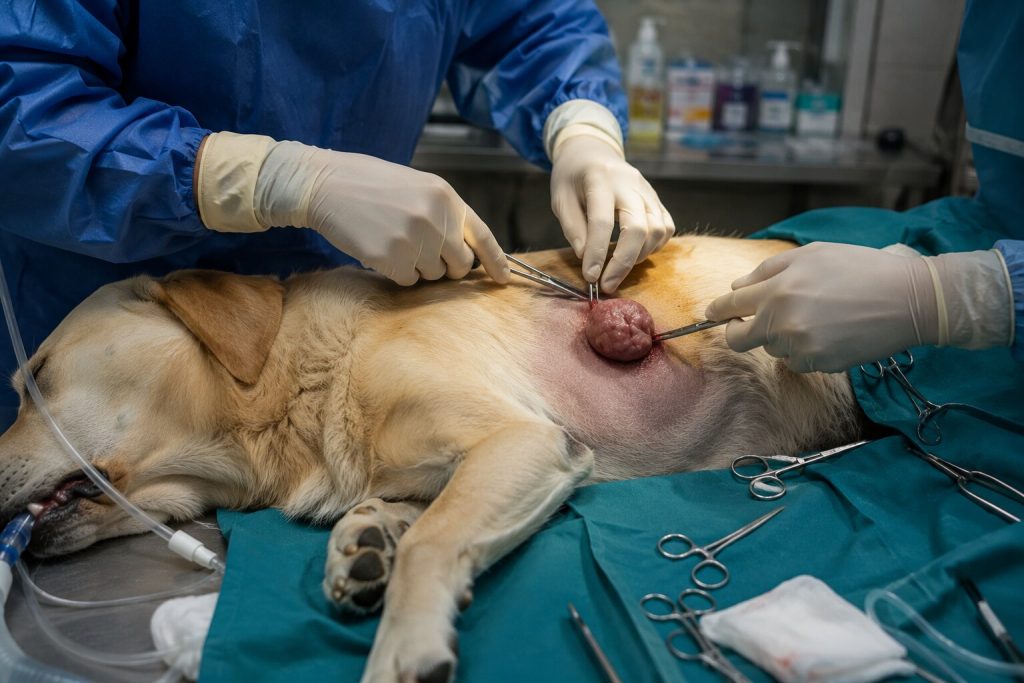
Finding a lump on your pet is one of those moments that instantly shifts your attention. Even if your pet seems completely normal otherwise, the presence of a mass raises important questions—what is it, does it need to be removed, and how urgent is it?
The truth is that lumps and masses are common, particularly as pets age. Many turn out to be benign, but some require prompt attention. The key is not guessing—it's understanding how these growths are evaluated and when surgical removal becomes the right decision.
Understanding What a "Mass" Really Means
The word "mass" can refer to a wide range of conditions, from harmless fatty tumors to more serious growths. Without proper evaluation, there's no reliable way to determine the nature of a lump based on appearance alone.
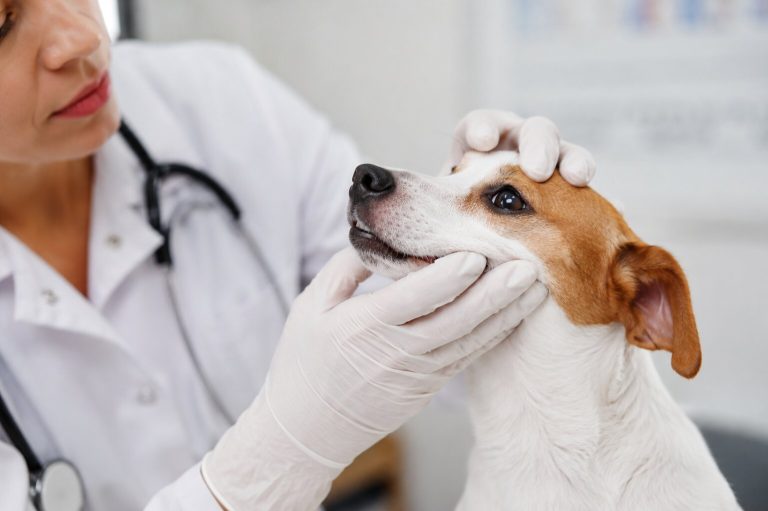
Some masses grow slowly and remain unchanged for years. Others develop more aggressively, changing in size, shape, or texture over a short period of time. Because of this variability, veterinary evaluation is always recommended—even when the lump appears small or non-problematic.
In many cases, diagnostic tools such as fine needle aspiration or biopsy are used to gather more information. These tests help guide decision-making and determine whether surgical removal is necessary.
When Surgical Removal Is Recommended
Surgical removal is often advised for two key reasons: treatment and diagnosis.
From a treatment standpoint, removing a mass can eliminate a source of discomfort or prevent it from interfering with surrounding tissue. From a diagnostic standpoint, it allows for a definitive evaluation of the tissue, providing clarity about whether the growth is benign or something more serious.
Timing plays an important role here. Masses that are removed earlier are often easier to manage surgically. As they grow, they may become more complex, involve deeper structures, or require more extensive procedures.
In other words, early action can simplify both the procedure and the recovery process.
What the Surgical Process Typically Involves
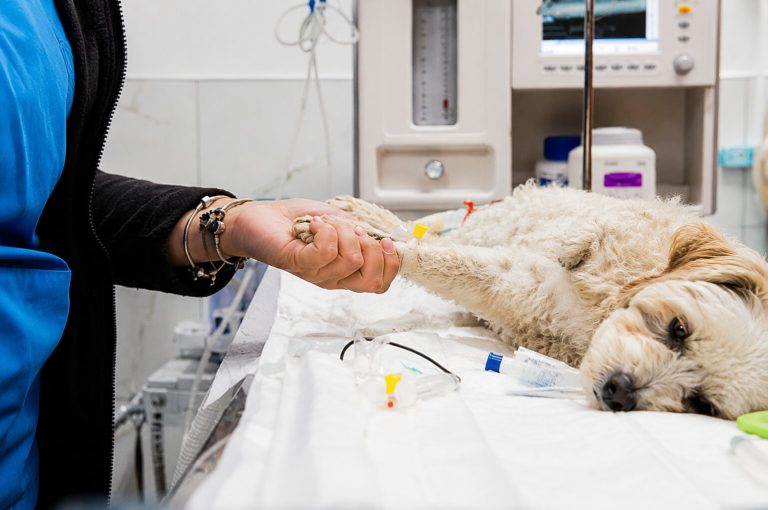
Tumor and mass removal procedures are performed under anesthesia, with continuous monitoring throughout the surgery. Your pet's heart rate, oxygen levels, and other vital signs are carefully tracked to ensure stability.
The surgical approach depends on several factors, including the size and location of the mass. In some cases, the goal is straightforward removal. In others, particularly when there is concern about the nature of the growth, wider margins may be taken to reduce the likelihood of recurrence.
Every step is approached with precision and care, with the goal of achieving the best possible outcome while minimizing stress on your pet's body.
Recovery and What to Expect After Surgery
Recovery varies depending on the complexity of the procedure, but many pets do very well with appropriate aftercare.
You'll be given clear instructions on how to support your pet at home, including:
- Activity restrictions
- Incision care
- Monitoring for swelling or discharge
- Medication if needed
Most pets return to their normal routines within a relatively short period of time. In many cases, owners notice that their pet seems more comfortable once the mass has been removed.
If tissue is sent for analysis, you'll also receive follow-up information that helps guide any additional care or monitoring.
The Emotional Side of Decision-Making
One of the more challenging aspects of dealing with a mass is the uncertainty. It's natural to feel hesitant about surgery, especially if your pet doesn't seem affected.
But waiting without clarity can sometimes create more stress in the long run. Having a clear diagnosis—and addressing the issue early when needed—often provides both medical and emotional relief.
Taking the Next Step
If you've noticed a lump on your pet or have been advised to consider removal, it's worth having a conversation about your options.
You can call (954) 567-2500 or schedule an appointment online at familypetmedicalcenter.com/book-now. Family Pet Medical Center is located at 2750 N Federal Hwy in Fort Lauderdale and serves pet owners throughout Broward County and South Florida.
Having the right information—and the right team—can make all the difference in how you move forward.