Why Dental Cleanings Are So Important for Your Pet’s Health
When we think about our pet’s health, dental care is often overlooked. Many dogs and cats continue eating and acting normal even when dental disease is present, which makes it easy to miss until it becomes painful or serious.
The truth is, dental disease is one of the most common health conditions we see in pets, and it can affect far more than just their teeth.
What Is Dental Disease in Pets?
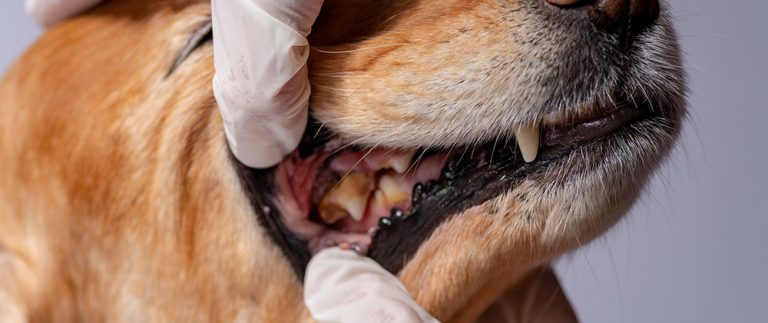
Dental disease begins with plaque and tartar buildup on the teeth. Over time, this buildup causes inflammation of the gums and allows bacteria to move below the gumline. Once that happens, infection can develop around the tooth roots and jawbone.
Because pets cannot tell us when their mouths hurt, dental disease often progresses silently.
Why Dental Health Affects the Whole Body
Dental disease is not just a mouth problem. The bacteria associated with infected teeth and gums can enter the bloodstream and impact vital organs, including the heart, liver, and kidneys.
Untreated dental disease can lead to:
- Chronic pain and discomfort
- Difficulty eating
- Tooth loss
- Gum infections
- Worsening health conditions over time
Regular dental cleanings are a key part of preventative care and can help your pet stay healthier and more comfortable long term.
Why Veterinary Dental Cleanings Are Different
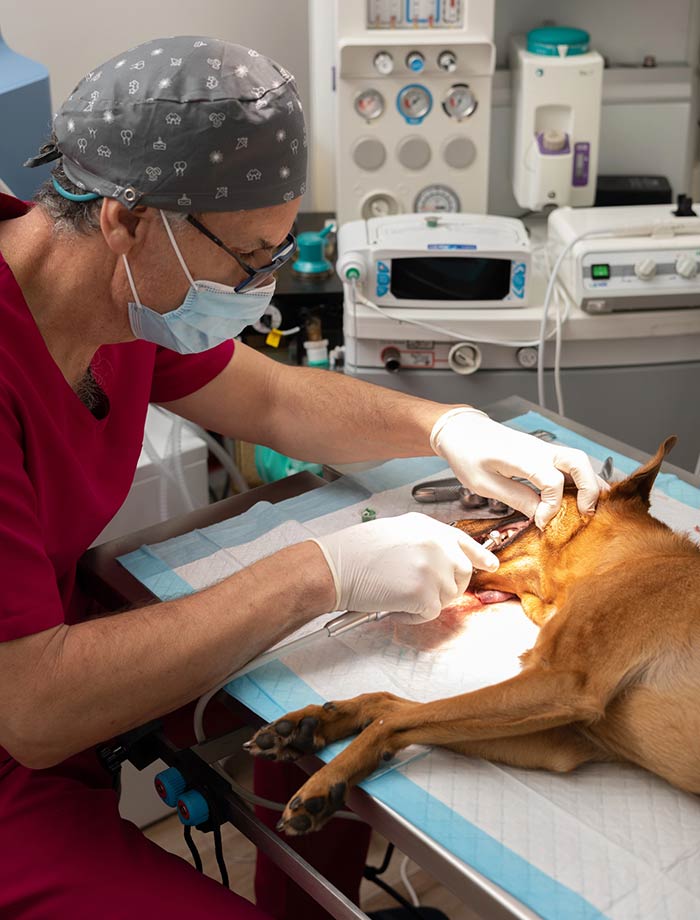
Professional veterinary dental cleanings go far beyond what can be done at home or during grooming visits.
Veterinary dental cleanings allow us to:
- Clean above and below the gumline
- Evaluate each tooth and the surrounding gums
- Take dental X-rays to identify hidden disease
- Address infections that cannot be seen from the surface
- Keep your pet comfortable and safe throughout the procedure
Groomer dental cleanings may help remove visible plaque, but they do not treat dental disease or infection beneath the gums.
Why Anesthesia Is Necessary
Anesthesia allows for a thorough and safe dental cleaning. It lets us fully evaluate the mouth, clean beneath the gumline, and take dental X-rays without causing stress or discomfort to your pet.
Our team closely monitors your pet before, during, and after anesthesia to ensure their safety and comfort every step of the way.
How Often Should Pets Have Dental Cleanings?
Every pet is different. Some may need dental cleanings more frequently, while others can go longer between procedures. Regular wellness exams help us determine the right dental care schedule based on your pet’s age, breed, and oral health.
Signs your pet may need a dental cleaning include:
- Bad breath
- Red or bleeding gums
- Tartar buildup
- Dropping food or chewing on one side
- Pawing at the mouth
Even if you do not notice symptoms, dental disease can still be present.
February Pet Dental Awareness Month Special
February is Pet Dental Awareness Month, and it is one of the best times of year to focus on your pet’s oral health.
To help pet parents take action, we are currently offering $200 off a professional veterinary dental cleaning during February. This limited-time promotion is designed to make preventative dental care more accessible while appointments are available.
Ready to Learn More or Book?
If you have questions about dental cleanings or want to take advantage of our February dental promotion, we invite you to learn more or request an appointment through our dental landing page.
👉 Click here to learn more and book your pet’s dental appointment
Dental care is an important part of keeping your pet happy, comfortable, and healthy. We are here to help every step of the way.