Dog Ate Chocolate? What Every Pet Owner Should Know | Family Pet Medical Center
Dog Ate Chocolate? Here's What Every Pet Owner Should Know
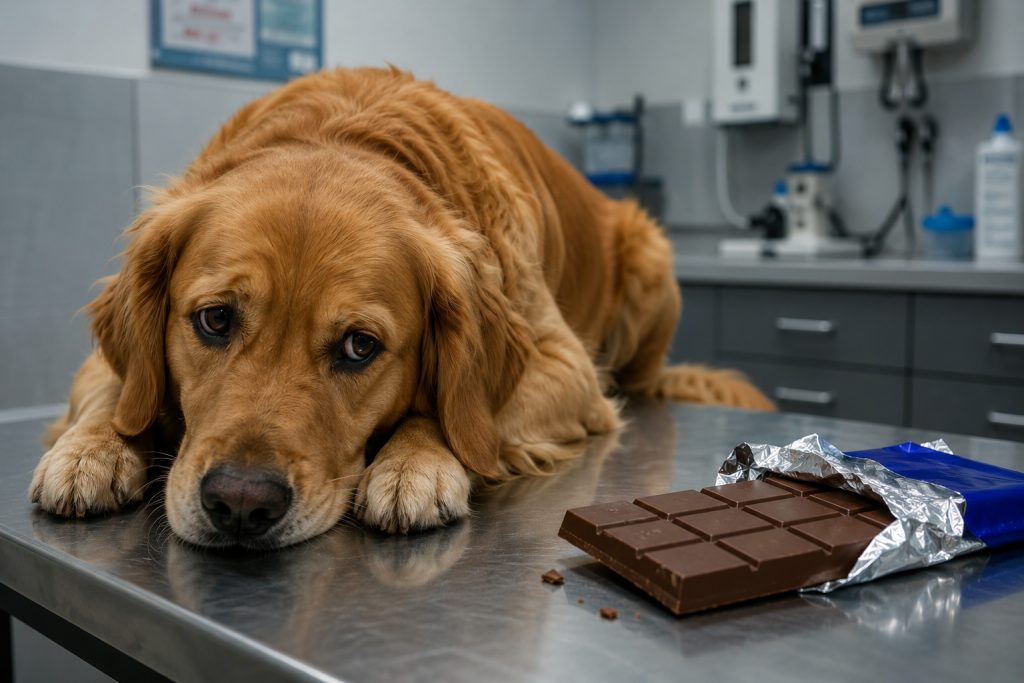
Few things cause pet owners to panic faster than discovering their dog has eaten chocolate. Whether it was a candy bar left on the counter, a bag of chocolate chips, a brownie, or a holiday treat, one of the first questions we hear is:"My dog ate chocolate. What should I do?"
The good news is that not every chocolate ingestion is life-threatening. However, some cases require immediate veterinary attention, and waiting too long can significantly impact your dog's outcome. At Family Pet Medical Center, our veterinary team is available 24 hours a day, 7 days a week to evaluate pets experiencing potential chocolate toxicity and other poisoning emergencies.Why Is Chocolate Dangerous For Dogs?
Chocolate contains compounds called:- Theobromine
- Caffeine
- The nervous system
- The heart
- The gastrointestinal tract
- The kidneys
- The type of chocolate
- The amount consumed
- Your dog's size
- Your dog's overall health
Which Types Of Chocolate Are Most Dangerous?
Not all chocolate contains the same amount of theobromine. Generally speaking, darker chocolates contain significantly higher levels than milk chocolate.Most Dangerous
- Cocoa powder
- Baking chocolate
- Dark chocolate
Moderate Risk
- Semi-sweet chocolate
- Chocolate chips
Lower Risk
- Milk chocolate
Least Dangerous
- White chocolate
Common Signs Of Chocolate Toxicity In Dogs
Symptoms may begin within a few hours of ingestion but can sometimes take longer to develop. Common signs include:Gastrointestinal Signs
- Vomiting
- Diarrhea
- Excessive drooling
- Loss of appetite
Neurological Signs
- Hyperactivity
- Restlessness
- Tremors
- Seizures
Cardiovascular Signs
- Elevated heart rate
- Irregular heartbeat
- Increased blood pressure
Severe Symptoms
- Collapse
- Difficulty breathing
- Seizures
- Coma
If your dog is displaying any of these symptoms, contact a veterinarian immediately.
How Much Chocolate Is Too Much?
This is one of the most common questions we receive. Unfortunately, there is no simple answer. Factors that matter include:Your Dog's Weight
A small dog can experience toxicity from amounts that may not affect a larger dog.The Type Of Chocolate
One ounce of baking chocolate may be far more dangerous than several ounces of milk chocolate.The Amount Consumed
The more chocolate eaten, the greater the risk of toxicity.Other Ingredients
Chocolate products may also contain:- Xylitol
- Macadamia nuts
- Raisins
- Caffeine
My Dog Ate Chocolate. What Should I Do?
Step 1: Stay Calm
Many chocolate ingestions can be treated successfully, especially when addressed early.Step 2: Gather Information
Try to determine:- What type of chocolate was consumed
- Approximately how much was eaten
- When it happened
- Your dog's weight
Step 3: Contact A Veterinarian Immediately
Even if your dog seems normal, it's important to seek professional guidance. Early intervention often provides the greatest number of treatment options.Should I Make My Dog Vomit At Home?
Many pet owners search online for ways to induce vomiting. However, inducing vomiting at home can be dangerous in some situations. Factors such as:- The amount consumed
- The timing
- Your dog's health status
- What else may have been ingested
How Veterinarians Treat Chocolate Toxicity
Treatment depends on the circumstances of each case. Possible treatments include:Inducing Vomiting
In certain situations, removing the chocolate before absorption occurs may be beneficial.Activated Charcoal
Activated charcoal may help reduce absorption of toxins.Intravenous Fluids
IV fluids help support circulation and assist the body in processing toxins.Monitoring
Some patients require monitoring for:- Heart rate abnormalities
- Blood pressure changes
- Neurological symptoms
Hospitalization
Moderate to severe cases may require hospitalization and supportive care.When Should I Go To An Emergency Veterinarian?
You should seek emergency veterinary care if:- Your dog consumed dark chocolate or baking chocolate
- A large amount was eaten
- Your dog is small
- Symptoms are present
- You are unsure what was consumed
Preventing Chocolate Toxicity
The best treatment is prevention. Consider:- Keeping chocolate products out of reach
- Securing holiday candy
- Educating family members and guests
- Monitoring children around pets