Gastrointestinal Surgery in Pets: Understanding Blockages, Symptoms, and When Surgery Is Necessary
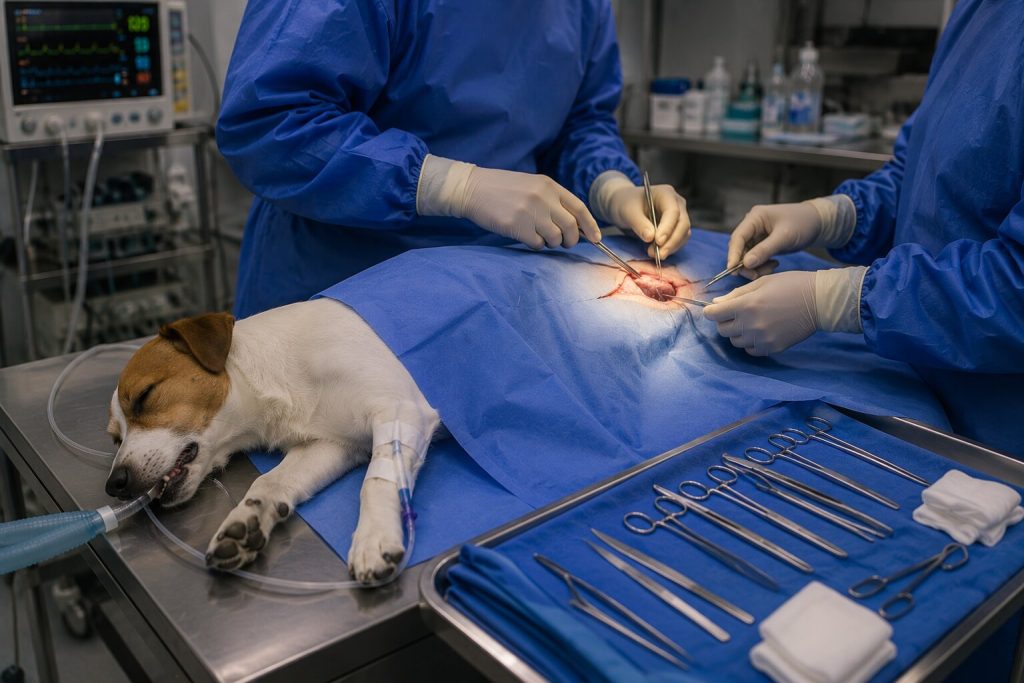
Digestive issues are one of the more common reasons pets require advanced veterinary care, and in some cases, surgical intervention becomes necessary. While mild gastrointestinal upset can often resolve on its own, more serious conditions—such as blockages or internal complications—can escalate quickly and require immediate attention.
Understanding how these issues develop and when surgery is needed can help you act with clarity and confidence.
How Gastrointestinal Problems Develop
The gastrointestinal (GI) system plays a critical role in digestion, nutrient absorption, and overall health. When something disrupts this system—whether it's an obstruction, inflammation, or internal damage—it can quickly affect your pet's well-being. One of the most common causes of surgical GI issues is obstruction. This occurs when something prevents food or fluids from passing normally through the digestive tract. In dogs especially, this is often caused by ingesting non-food items such as toys, fabric, or bones. Other causes may include infections, tumors, or structural abnormalities that interfere with normal function.Recognizing the Signs Early
GI issues don't always present dramatically at first, but there are warning signs that should never be ignored. Common symptoms include:- Repeated vomiting
- Loss of appetite
- Lethargy
- Abdominal discomfort or sensitivity
- Changes in bowel movements